
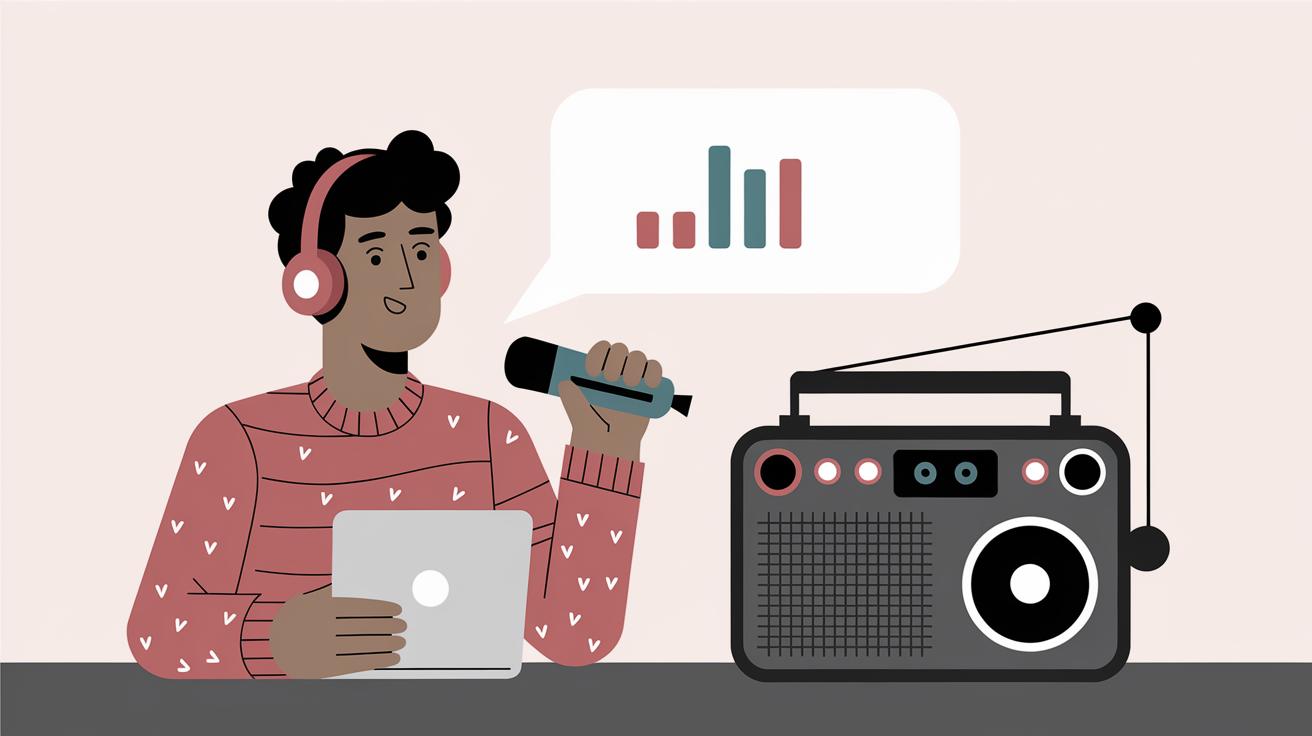
Podcast vs. Radio Show: Exploring the Differences
In the ever-evolving landscape of audio content, podcasts and radio shows stand out as distinct yet comparable formats, each with unique characteristics and audiences. While radio has been a long-standing staple of auditory entertainment, podcasts have emerged as a flexible and on-demand alternative that caters to modern lifestyles. In this blog post, we’ll delve into the nuances of content and structure, consumption habits, audience variations, and editing processes of both mediums. This exploration will offer insights into how these two formats serve their audiences and shape the future of auditory entertainment.
Content & Structure of Radio and Podcast Shows
Radio shows often follow a rigid schedule and structure due to the medium’s time-constrained nature. Broadcasters typically adhere to fixed time slots and program formats, which are sometimes dictated by station policies or audience expectations. Radio shows might include segments like news updates, weather reports, and music interludes, all of which need to fit into specific time durations.
Conversely, podcasts offer creators more flexibility in both content and structure. Without the constraints of traditional broadcast timings, podcasters can explore topics in-depth and produce episodes that vary considerably in length. The structure of a podcast can be loose or heavily formatted, depending on the creators’ vision, allowing for more experimentation with storytelling techniques or interview styles. This flexibility enables podcasters to cater to niche audiences that crave content beyond what typical radio programming might offer.
How They Are Consumed
Radio shows traditionally rely on live broadcasting, making them a real-time experience for listeners. This immediacy can create a shared experience among audiences who tune in simultaneously, but it also means that if listeners miss a broadcast, they might not have an opportunity to catch up later, unless the station provides a replay service.
Podcasts, however, are designed for on-demand consumption. Listeners download or stream episodes at their convenience, allowing them to fit listening into their schedules, be it during a commute, workout, or at home. The ability to pause, rewind, or skip parts of a podcast further enhances the autonomy of the listener, making this format ideal for today’s time-shifting audience.
Audience Variations
Radio audiences are typically broader, spanning various demographics based on regional availability and the station’s reach. This wide-ranging audience can be both a boon and a challenge, as it necessitates content that appeals to a general populace or specific community interests when targeting local stations.
In contrast, podcast audiences are often more niche and targeted. The diverse range of podcast subjects speaks to specific interests, allowing creators to cultivate dedicated listener bases who are passionate about particular topics. This specificity enables podcasts to thrive with smaller, but more engaged audiences who actively seek out content that aligns with their interests.
Editing and Moderation
Radio show editing is typically conducted in real-time, with hosts and producers working under pressure to ensure a smooth broadcast. This real-time aspect restricts the level of post-production editing that can be applied, making radio reliant on the presenter’s ability to engage an audience and manage live dynamics effectively.
Podcast production, by contrast, often involves extensive post-recording editing, allowing creators to fine-tune their shows and ensure high-quality content. This editing phase can include cutting out errors, enhancing audio quality, or adding supplementary elements such as music or sound effects. The ability to polish an episode before it reaches audiences contributes to the professional and crafted feeling often associated with podcasts.
Final Thoughts
The distinctions between podcasts and radio shows highlight how each format serves different listener needs and preferences. While radio remains a communal and timely medium, podcasts offer flexibility and specificity that cater to the modern listener. Both formats have evolved to accommodate technological advancements and audience demands, ensuring their continued relevance in the media landscape.
| Aspect | Radio Shows | Podcasts |
|---|---|---|
| Content & Structure | Fixed schedule, segments | Flexible, varied lengths |
| Consumption | Live, real-time | On-demand, flexible |
| Audience | Broader, general | Niche, specific |
| Editing | Live, minimal post-edit | Extensive post-edit |