
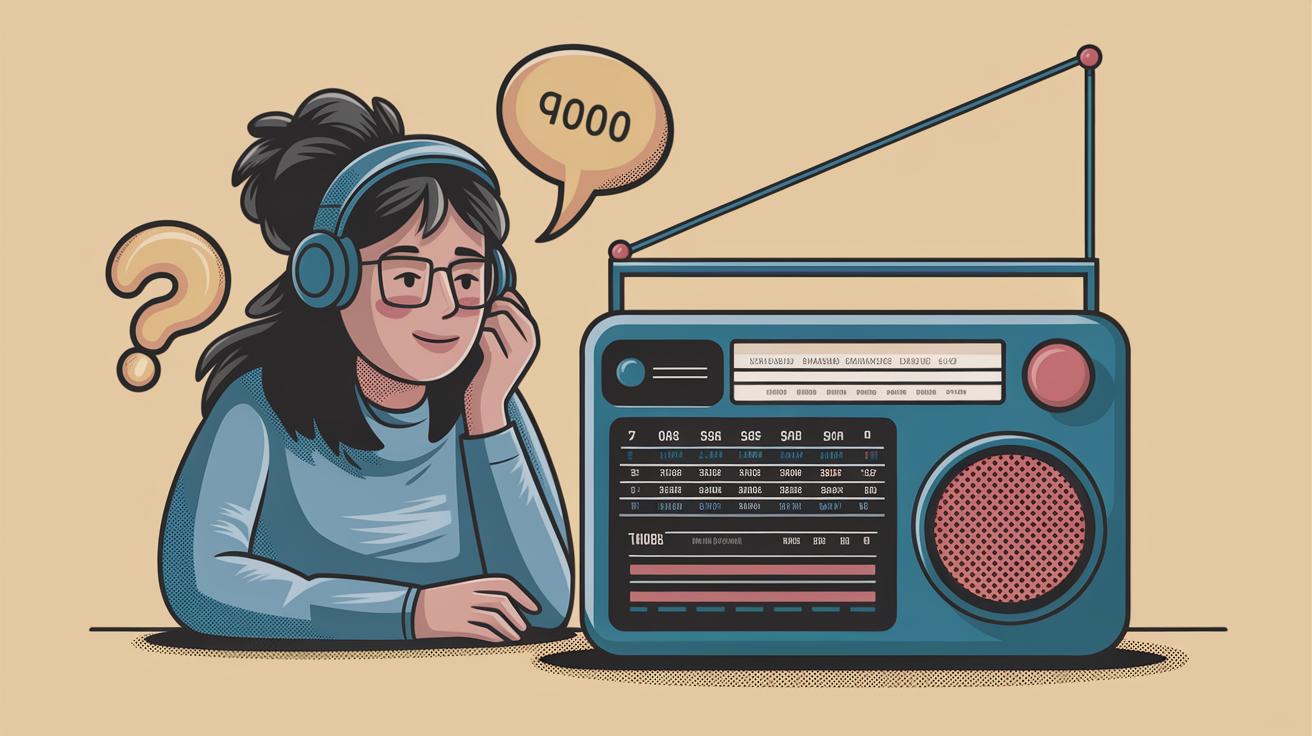
Do People Still Listen to the Radio?
In an increasingly digital world, it’s easy to assume traditional media such as radio might be fading into obscurity. Yet, radio remains an enduring medium, capturing the attention of millions worldwide every day. This blog post delves into the reasons why radio continues to thrive by examining its adaptability, audience relevance, and the surprising loyalty it commands even amidst the modern media landscape. By exploring key facts and background information, uncovering surprising trends, and offering further reading, we aim to provide a comprehensive overview of radio’s place in contemporary culture.
Topline
Despite the relentless advance of technology with the rise of streaming services, podcasts, and digital platforms, radio has steadfastly maintained a significant slice of the media pie. This enduring appeal is largely attributed to radio’s ability to adapt and evolve, offering real-time information, entertainment, and a personal touch that resonates deeply with audiences.
From music and news to talk shows and niche programming, radio covers a wide array of interests and remains particularly appealing as an accessible and often free source of content. Many listeners appreciate the serendipity of radio, the chance to discover new music or ideas they might not encounter through tailored digital algorithms. Thus, its charm lies in its unpredictability and the authentic voices that bring these broadcasts to life.
Key Facts
Current data shows that radio continues to reach over 90% of adults monthly in many countries, marking it as one of the most widely consumed media platforms globally. This reach spans all demographics, though it tends to be more popular with audiences aged 35 and older. Interestingly, even younger generations are tuning in, often through digital means.
Moreover, while traditional AM/FM radio holds its ground, online streaming and digital radio are growing rapidly. Digital radio offers enhanced sound quality and a broader range of channels, making it a compelling choice for tech-savvy listeners. This adaptability has helped radio maintain its position in the media ecosystem, even as consumption habits have evolved in the digital age.
Key Background
Radio has a rich history dating back over a century, evolving from crackling broadcasts of the early 20th century to the dynamic, multi-platform ecosystem it is today. Initially, radio was a primary source for music, news, and entertainment, creating a communal experience that television and the internet hadn’t yet fractured.
Though the internet introduced new forms of media, radio embraced this shift by integrating with streaming technologies and expanding its reach online. This transition to digital forms did not detract from radio’s core strength: its role as a trusted voice and a companion in daily life. This adaptation illustrates radio’s resilience and its ability to serve both as a timeless medium and a modern-day staple.
Surprising Fact
A surprising element of radio’s ongoing relevance is the resurgence of interest in niche and local programming. As global connectivity grows, many consumers crave content that speaks directly to their community and personal interests, and radio fits this niche perfectly.
Additionally, many people are turning back to radio during commute times, drawn by the free, hands-free nature of the medium. Even in the age of on-demand content, the ease of accessing radio during car rides, provided by in-built car radios or streaming apps on smartphones, offers an unmatched convenience that keeps listeners coming back.
Further Reading
To delve deeper into the discussion of radio’s enduring appeal, readers can explore works like “Radio’s Second Century: Beyond the Golden Age” by John Nathan Anderson and “Media and Radio as Social Instruments” by Roger Silverstone. These reading materials offer a more comprehensive understanding of radio’s role in society and its evolution across decades.
Additionally, media industry reports and journals provide insightful data and analyses on contemporary trends, bridging historical perspectives with modern-day media practices. These sources are invaluable for anyone seeking a detailed examination of radio’s place in today’s rapidly changing media landscape.
Lessons Learned
| Aspect | Details |
|---|---|
| Topline | Radio remains a relevant and cherished medium due to its adaptive nature and versatile content. |
| Key Facts | Radio reaches over 90% of adults monthly, across both traditional and digital formats. |
| Key Background | Radio’s evolution from a communal experience to a modern digital platform highlights its resilience. |
| Surprising Fact | Despite digital trends, local and niche programming has seen a resurgence, bolstering radio’s appeal. |
| Further Reading | Books and industry reports offer further insights into the ongoing relevance of radio in the digital age. |